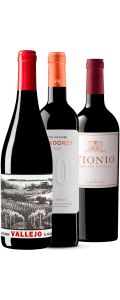
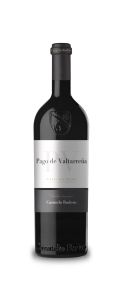
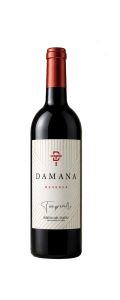
Although the winemaking origins of Ribera del Duero date back to Roman times, it was not until 1975 that a group of local producers, aware of the significant leap in quality they had achieved in recent years, began to seriously consider the creation of a Denomination of Origin to protect the wines of the area. Wineries such as Vega Sicilia, Hermanos Pérez Pascuas, Protos, or Torremilanos were some of the main drivers of an initiative that materialized in 1982 and marked a before and after in the history of Spanish wine.
Today, the D. O. Ribera del Duero can boast of being one of the most important wine Denominations of Origin in the world. More than 300 wineries are part of this region located in the Duero River basin, which was selected as the Best Wine Region in the World in 2012.
Although its wines are only produced in four provinces (Valladolid, Segovia, Burgos, and Soria), they know no borders thanks to the enormous fame they have gained in the last two decades. New wineries continue to emerge, following the path set by the more veteran ones, those that have made a Ribera del Duero wine easily recognizable thanks to its special personality.
The red wine is the flagship of the denomination, mainly made from the tempranillo grape (tinto fino), although the regulatory council also allows the varieties cabernet sauvignon, malbec, garnacha, and merlot.


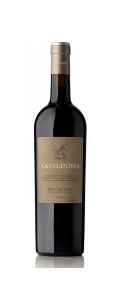 -32%
-32%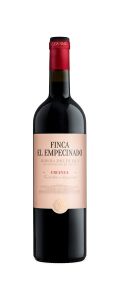 -35%
-35%