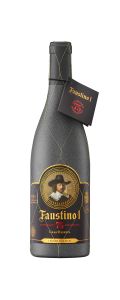
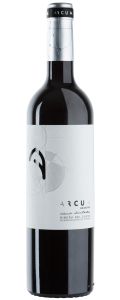
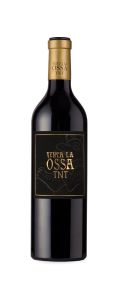
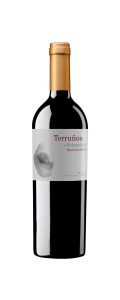
The clusters of Tempranillo are large in size, spherical in shape, and compact, with grapes that are purple-black in color, spherical in shape, medium-sized, with thick skin and distinctive flavors of fruits and compote. It is a versatile variety, and its quality varies depending on factors such as the age of the vineyard, whether production is limited or not, etc. As a general rule, it presents good polyphenolic content (making it perfect for long barrel aging), low acidity (to counteract this, it is often blended with more acidic varieties such as Graciano, Garnacha, Mazuelo, Merlot, or Cabernet Sauvignon), and high tannin concentration (which allows for long aging in oak and bottle and is one of the secrets to its longevity). The wines typically exhibit intense ruby-red colors, aromas of red fruits and berries, tobacco, vanilla, and leather. It is usually produced as a single-varietal, especially when it comes to Reservas or Grandes Reservas.
Weaknesses
It is a very delicate grape, highly susceptible to weather conditions. Very sensitive to pests (especially phylloxera, which devastated the vines in the 19th century and still threatens vineyards) and diseases, with low resistance to drought and high temperatures.
Synonyms
Fine red, Tinta del país, Cencibel (in Castilla-La Mancha), Morisca (in Extremadura), Ull de lebre ("Ojo de liebre" in Catalonia), Tinta Roriz (in Portugal).