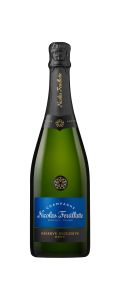
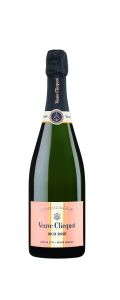
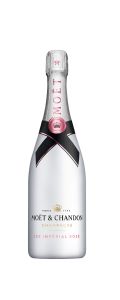
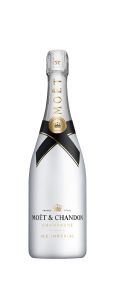
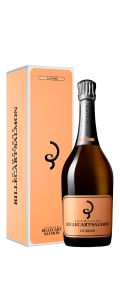
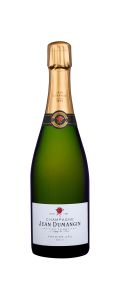
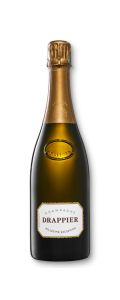
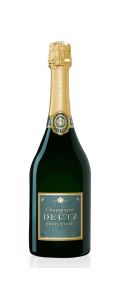
Located in the north of France, less than 150 km from Paris, Champagne is the most prestigious and famous wine region in the world. The origin of the acclaimed French sparkling wines produced there is attributed to the Benedictine monk Dom Pérignon, who, in 1670, at the abbey of Hautvillers, laid the foundations for its production by selecting the grapes, securing the conical cork with a metal clip, and making the glass of the bottles thicker.
The traditional method of making champagne is known as champenoise, which involves two fermentation stages: the first in a vat (like all wines), and the second in the bottle. The sediments that accumulate in the neck of the bottle are removed by freezing the neck, uncorking it, and allowing the carbon dioxide inside to push out the frozen sediments. Afterwards, the bottle is refilled with the expedition liqueur, which provides the desired sugar level, and is then resealed with a special cork.