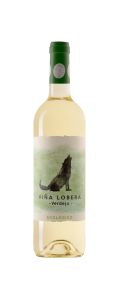
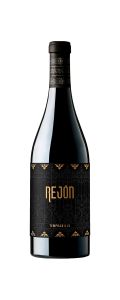
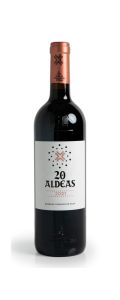
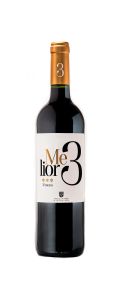
Castilla y León

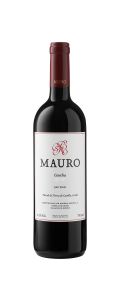
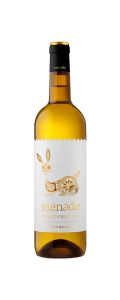
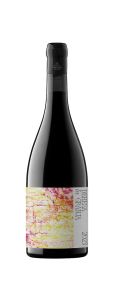
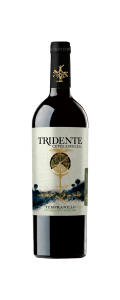
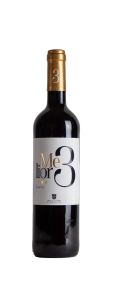
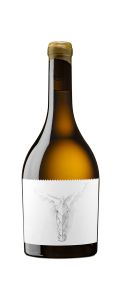
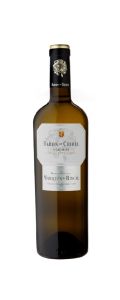
In the year 2000, a group of winegrowers from the community requested the creation of the designation Vino de la Tierra de Castilla y León to identify their wines, citing the need to channel a large portion of the wine produced in these lands and to source grapes from Castilla y León, ensuring price stability and the quality of the grapes and wines. The wines produced under the designation Vino de la Tierra de Castilla y León have clean, honest, non-oxidized aromas (except in cases where the wines have undergone oxidative aging). Wines aged in oak must remain in barrels for a minimum of three months and must exhibit aromatic and taste characteristics typical of such maturation. The wines covered by the designation Vino de la Tierra de Castilla y León may only be produced and/or aged in wineries located within the territory of the Autonomous Community of Castilla y León and with grapes from vineyards registered in the Viticultural Registry of the Regional Ministry of Agriculture and Livestock of the Junta de Castilla y León.

Climate
The area of the Duero basin experiences long, cold winters with little rainfall and short, mild, and dry summers. The plain area enjoys annual rainfall of around 500 mm or less. The Southwest area, known as Los Arribes del Duero, has somewhat milder and wetter winters. The area of the surrounding mountains is characterized by a higher level of precipitation, mainly in the form of snow, reaching 800-900 mm annually, although temperatures are similar to those in the other areas. The Bierzo area, located between mountains, stands out for its slightly shorter winters with moderated cold, intermediate rainfall between that of the plain and the mountains, and summer dryness typical of the central zone.
Soil
The soil in the Castilla y León region is heterogeneous and diverse, with no large uniform areas distinguishable. However, it can be categorized into mountain areas, river valleys and valley floors, and plateaus and plains. The soils in the mountains are generally poor in mineral elements, eroded, and acidic in nature, making them unsuitable for vine cultivation. The river valleys have alluvial soils with medium to coarse texture (sandy-stony), medium depth, and low water retention capacity, but they allow for good soil aeration. The valley floors have a looser silty texture and are chemically more complex. The soils of the plateaus and plains, located in the central areas of the region, consist of limestone brown soils with a loamy-clay texture and low organic matter; these are the types of soils that, together with the Mediterranean-continental climate of low rainfall, enable the production of the finest wines in the Castilla y León region.
Hectares
75000
Location
Valladolid
2007
2011
2010
2008
Close
See more
Set Descending Direction
Page