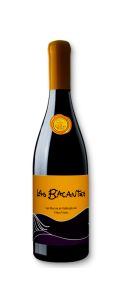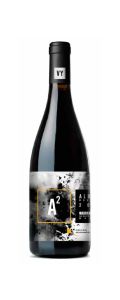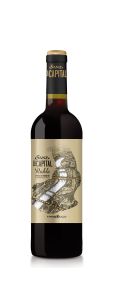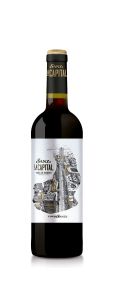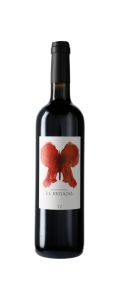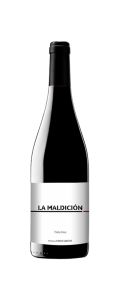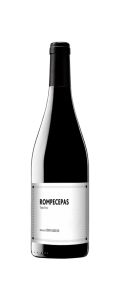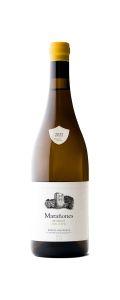
The official recognition of the D.O. Vinos de Madrid came in 1990. Today, the denomination spans an area of nearly 9,000 hectares of vineyards and produces around ten million kilos of grapes and four million bottles of wine. Red wines take center stage, especially those made with garnacha, a variety deeply rooted in the region and the foundation of the wines that garner the most interest. The national variety tempranillo (tinto fino) is also prominent, particularly in the Arganda subzone, along with international varieties such as merlot and cabernet sauvignon. As for white wines, the native varieties albillo real and malvar stand out.
The denomination includes 4 subzones: San Martín de Valdeiglesias (southwest), Arganda (southeast), Navalcarnero (south), and El Molar (north). The San Martín de Valdeiglesias subzone covers part of the Sierra de Gredos, a stronghold of garnacha, and stands out as one of the most interesting wine regions in Spain. Without a doubt, the garnachas from the Sierra de Gredos have been in the international spotlight for some time. These are old bush-trained vineyards growing on granite soil slopes, as well as on the plains of the Alberche River. From them come wines that captivate critics, with a distinct profile compared to garnachas from the Ebro and Mediterranean regions. These are fresh wines, lighter and more subtle, easy-drinking, with oak in the background.
The Arganda subzone is the largest and boasts the most glorious past. It hosts more than half of the producers and vineyards of the D.O., and as early as the 17th and 18th centuries, the favorite wines of the Spanish royalty were made here. The vineyards are mainly located in the so-called plains of the Tagus Valley, the area with the least rainfall and the greatest thermal contrasts, featuring limestone and clay soils. The dominant grapes are tempranillo (known here as tinto fino) for reds and malvar for whites. There is also room for international varieties such as cabernet sauvignon, merlot, petit verdot, syrah… Navalcarnero is the smallest area of the D.O., while El Molar is the youngest, integrated in 2019, and located in the northern zone, between the Jarama River and the


 -29%
-29%