


Do you have any questions?
Monday to Friday from 9am to 20pm
Maison Albert Bichot
Description
Data of interest
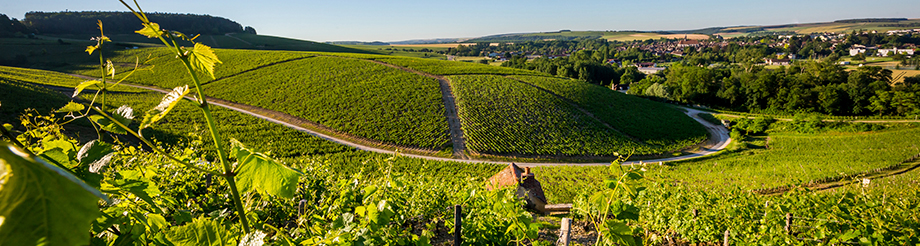
The origins of this French family date back to the Middle Ages. Although the first records of the Bichot lineage date from the year 1244, they did not settle in Burgundy until 1933, in their home in Châteauneuf-en-Auxois.
Albert Bichot boosted the new family business at the end of the 19th century, establishing it in the center of Beaune. The second Albert Bichot was one of the pioneers in international trade. He traveled around the world with the aim of presenting his wines, which were already standing out among the best in the world.
Currently, the winery is led by the sixth generation, embodied by Albéric Bichot, who is responsible for managing the family domaine.
The house currently owns more than 100 hectares of vineyards spread throughout Burgundy, from Chablis to Beaujolais. A balance of different domaines such as Long-Depaquit in Chablis (65 hectares), Clos-Frantin in Nuits-Saint-Georges (7.3 hectares), Château-Gris (3.5 hectares), Pavillon in Pommard, Domaine Adèlie (7.8 hectares), and Domaine de Rochegres (5.2 hectares).
They practice sustainable viticulture, with organic certification since 2020. Vineyard work is based on observation, prevention, and listening to nature. The soils are worked with plows and fertilized with organic compost.
When crafting their wines, the vinifications aim for minimal intervention. All their estates are equipped with a vat room, a cellar, and a specialized team. Their central winery in Beaune produces wines with regional appellations, while those from the different villages are fermented and aged in four small domaines spread across Burgundy. This ensures that the journey of the grapes from vineyard to winery is as short as possible, resulting in expressive wines that reflect their terroir.
The grapes are carefully selected and delicately transported by gravity from the fermentation vats or tanks to the
Owned vineyard
100
Address
6Bd Jacques Copeau
Telephone
+33 0380 24 37 37
Region
Huesca
Country
France