


Do you have any questions?
Monday to Friday from 9am to 20pm
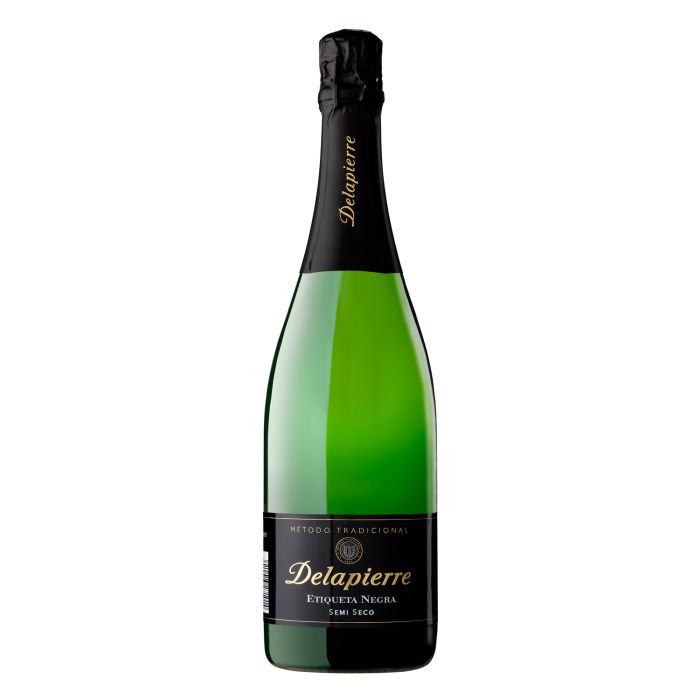
The traditional varieties of Penedès are harmoniously expressed in Delapierre Etiqueta Negra Semiseco, a brut cava with great aromatic intensity, delicately fruity and pleasantly elegant. The macabeo, xarel·lo and parellada grapes are intertwined in a fresh coupage with very good structure.
Consumption features
Serving temperature
General features
General Information
Delapierre Etiqueta Negra Semiseco is made from a selection of grapes almost exclusively from the D.O. Cava, where the native varieties clearly display all their characteristics. Each varietal contributes a special typicity to this sparkling wine: the macabeo grape provides a wine with moderate acidity and highly floral notes; the xarel·lo variety produces wines with good alcohol content and great structure; and the parellada grape offers great fragrance with rich floral aromas. The blend of all these results in an excellent cava from the Codorníu Group.
Delapierre is one of the many brands under the Codorníu umbrella, a Catalan winery with almost five centuries of history and boasts of being the producer of the first bottle of cava by the traditional method, in the year 1872, thanks to Josep Raventós.
Delapierre Etiqueta Negra Semiseco, a fresh and delicate sparkling wine classified under the D.O. Cava, pairs perfectly with a multitude of dishes, such as all kinds of appetizers, meat stews, vegetables, and raw and marinated fish.
Tasting notes
Bright pale yellow color with greenish hues and fine bubbles.
On the nose, floral and citrus notes emerge, which come from the youth of this cava.
The aromas anticipated on the nose reappear in the mouth, with a young, fresh, light, and pleasant palate.
The winery
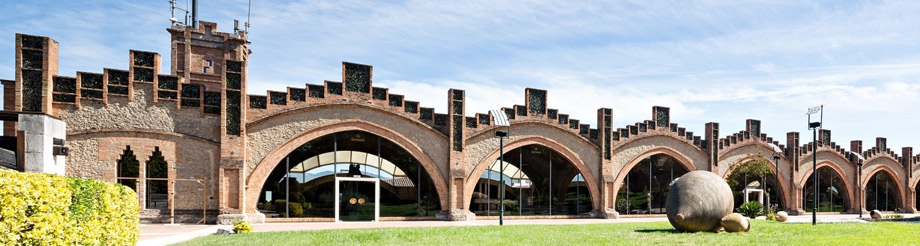
Located in Sant Sadurní d'Anoia, Codorníu is the oldest producer of cavas in Spain, with origins dating back five centuries. The company is the seed of one of the most important wine groups in Europe, with fifteen iconic wineries spread across Spain, Argentina, and California, as well as 3,000 hectares of owned vineyards. It is the second-largest cava producer in Spain, with an output of 45 million bottles. Until the Carlyle group acquired the majority of its shares in 2018, it was the oldest family-owned business in the country. Behind it stand 18 generations of a family of winemakers.
The modern history of Codorníu began in 1872, when Josep Raventós Fatjó, after a trip to the Champagne region, produced his first cava using three local grape varieties (macabeo, xarel.lo, and parellada) following the traditional or 'champenoise' method of double fermentation. Since then, Codorníu has been producing its cavas in a group of buildings declared a National Historic-Artistic Monument in 1976, designed in modernist style by architect Puig i Cadafalch. Codorníu exports nearly 45% of its production to almost a hundred countries worldwide.