Germán R. Blanco, the artisan who bottles the landscape
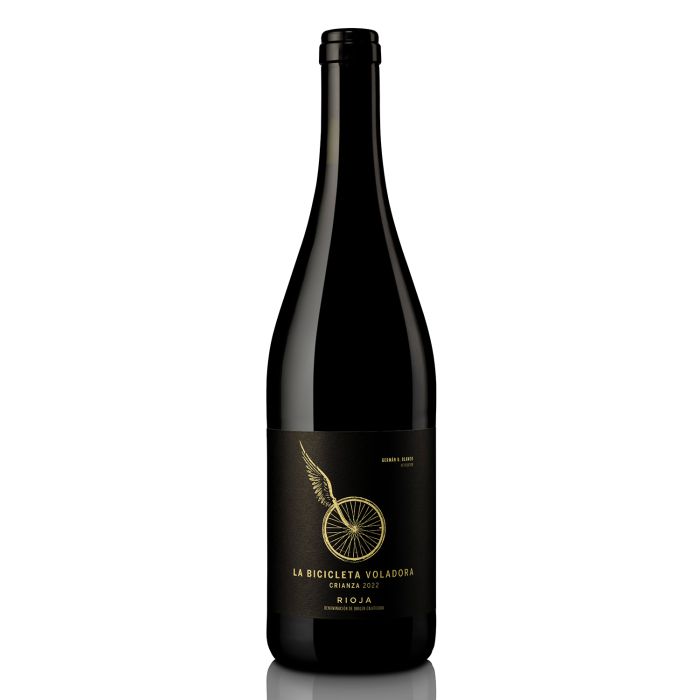
La Bicicleta Voladora 2022 reclaims old Rioja traditions, such as the inclusion of a proportion of white grape alongside Tempranillo or the use of concrete tanks. Produced from sustainable viticulture with minimal intervention in the winery, it is a lively, fruity and easy-drinking wine.
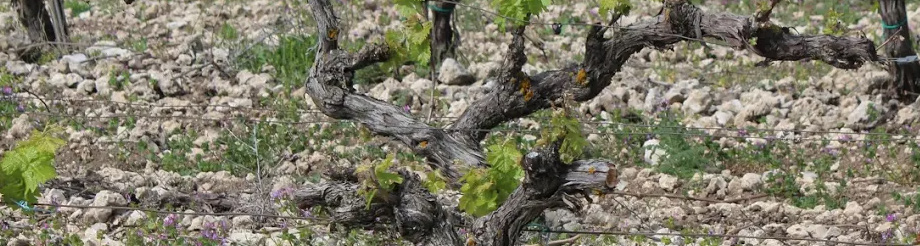
La Bicicleta Voladora 2022 is an organic and craft wine born from a Very Good vintage and made with Tempranillo and a touch of the white grape Viura. The vineyards that feed it, aged between 25 and 58 years, extend across the municipalities of Alfaro and Aldeanueva del Ebro, in Rioja Oriental, on calcareous-clay soils, stony and very deep, in plots with south-facing exposure.
Grapes selected in the vineyard and hand harvest. Fermentation was carried out in concrete vats with native yeasts. After malolactic fermentation, also in concrete, the wine was matured for 13 months in French oak barrels of 225 litres.
La Bicicleta Voladora is the Rioja-based project of Germán R. Blanco, the craftsman of 'micro-wines' across different regions. It is based in Aldeanueva de Ebro, in Rioja Oriental, the subzone of the denomination with a more Mediterranean climate. A lover of Atlantic and fresh wines, for Germán achieving in Rioja Oriental a wine with freshness and liveliness was an uncompromising criterion. And he has achieved it by looking to the past and reviving an old tradition: including in the blend a generous proportion of Viura.
Consumption features
Pairing
La Bicicleta Voladora 2022 will pair perfectly with truffled sautéed mushrooms or a beef burger.
Grapes selected in the vineyard and manual harvest in the third week of September.
Winemaking
The grapes were destemmed but not crushed. Pre-fermentation maceration for 4 days. The fermentation was carried out in concrete vessels with indigenous yeasts, at a temperature of 21°C, and with gentle pump-overs. After malolactic fermentation also in concrete, the wine was aged for 13 months in 225-litre used French oak barrels. Very light filtration. Very light clarification with clays. Production: 6000 bottles.<
Vineyard
Description
The vineyards that feed it extend across the municipalities of Alfaro and Aldeanueva del Ebro, in Rioja Oriental, on calcareous-clay soils, stony and very deep, in plots with southern exposure.
Lively Wines is a project that began in 2013, led by Germán R. Blanco. Its four brands - La Bicicleta Voladora (D.O.Ca. Rioja), Quinta Milú (Ribera del Duero), Casa Aurora (Bierzo), and San Esteban (Bierzo) - share the same work philosophy: it is impossible to be more artisanal and respectful of the land from which they originate. They produce artisanal wines with minimal intervention to respect their place of origin. In fact, they describe their wines as “fermented grape juice with minimal doses of sulfur.” Furthermore, their wines are always village wines: “each village, with its history, landscapes, and soils, as a unique setting that deserves to be valued.”
They are made with grapes cultivated in a traditional, organic, and sustainable manner, and each plot is vinified separately. Additionally, all their wines undergo aging, but not necessarily in wood: they use different materials such as concrete or terracotta; and when they use oak, they choose large, used barrels to avoid influencing the character of the wine. The goal is for the aging process to enhance the work done in the vineyard. In line with their minimal intervention policy, they avoid final processes such as fining, stabilization, and filtration. For Germán R. Blanco, the aim is not to make perfect wines, but rather “wines with soul.”