


Ars Collecta Rosé Brut
Pleasure in pink from Codorníu
Gold Medal
Gilbert & Gaillard International Challenge

Do you have any questions?
Monday to Friday from 9am to 20pm
Ars Collecta Rosé Brut is the result of Codorníu’s nearly five centuries of experience in sparkling wine production and a selection of vineyards where each variety expresses its full potential. It’s a rosé Cava that combines finesse, freshness and depth, enhanced by nine months of ageing and a very careful blend of grape varieties. Its fruitiness, the purity of its bubbles and its tension have earned it a sound reputation among quality rosés.
Serving temperature
Region
Grape variety
33% Xarel·lo, 34% Pinot Noir, 33% Trepat
Capacity (cl)
75
Sugar
8
Alcohol content (% vol.)
12
Ars Collecta Rosé Brut is a rosé Cava made from a balanced blend of Pinot Noir, Trepat and Xarel·lo grapes from areas with contrasting climates. Its production began with harvesting at night in early August so that the cooler temperatures preserved the aromas intact. After gentle destemming, the grapes were delicately pressed and macerated in a press for about two hours to achieve the desired colour. Alcoholic fermentation took place at controlled temperatures between 15 and 17 ºC to ensure purity and bring out the fruity flavours. After bottling, the wine was aged for nine months in the cellars at a constant temperature to give it its creamy texture and freshness with development potential.
The vineyard that Ars Collecta Rosé Brut comes from consists of selected plots where each variety attains full expression: Pinot Noir from Segrià, with a continental climate; Trepat from Conca de Barberà, also continental; and Xarel·lo from Penedès, with Mediterranean influence. The vintage was marked by two previous years of extreme drought followed by spring rains that replenished the vines but delayed ripening in some areas, requiring greater attention in the vineyard. The dry, warm summer ensured a balanced cycle and the excellent health of the grapes. The red varieties were notable for their aromatic freshness, ideal for making rosé Cavas suitable for ageing.
Codorníu boasts almost five centuries of experience in making sparkling wines, a legacy that underpins its prestige and the meticulousness of each cuvée. Its in-depth knowledge of the vineyard allows it to select plots where each variety attains its full expression, creating balanced and precise blends. The winery works with areas with continental and Mediterranean climates, harnessing their diversity to bring out complementary nuances in its Cavas. This combination of tradition, technique and respect for the origin is reflected in wines with freshness, finesse and ageing potential, such as Ars Collecta Rosé Brut.
View
Salmon-pink colour of medium depth.
Nose
Intense aromas of raspberry, blackberry and strawberry on the nose, accompanied by a hint of citrus that enhances the freshness.
Mouth
On the palate, it displays the hallmark characteristics of Pinot Noir, with crisp red fruit, marked freshness and a creamy texture resulting from contact with the lees during ageing. Harmonious and precise finish with good length.
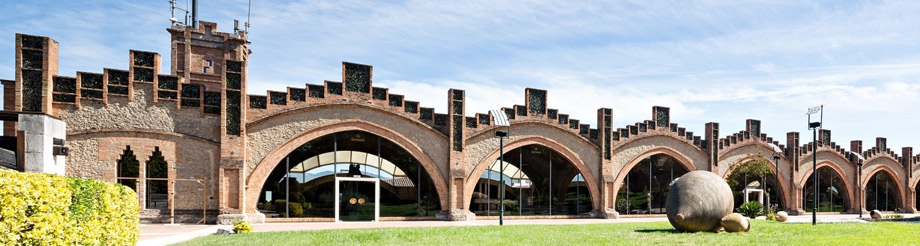
Located in Sant Sadurní d'Anoia, Codorníu is the oldest producer of cavas in Spain, with origins dating back five centuries. The company is the seed of one of the most important wine groups in Europe, with fifteen iconic wineries spread across Spain, Argentina, and California, as well as 3,000 hectares of owned vineyards. It is the second-largest cava producer in Spain, with an output of 45 million bottles. Until the Carlyle group acquired the majority of its shares in 2018, it was the oldest family-owned business in the country. Behind it stand 18 generations of a family of winemakers.
The modern history of Codorníu began in 1872, when Josep Raventós Fatjó, after a trip to the Champagne region, produced his first cava using three local grape varieties (macabeo, xarel.lo, and parellada) following the traditional or 'champenoise' method of double fermentation. Since then, Codorníu has been producing its cavas in a group of buildings declared a National Historic-Artistic Monument in 1976, designed in modernist style by architect Puig i Cadafalch. Codorníu exports nearly 45% of its production to almost a hundred countries worldwide.