

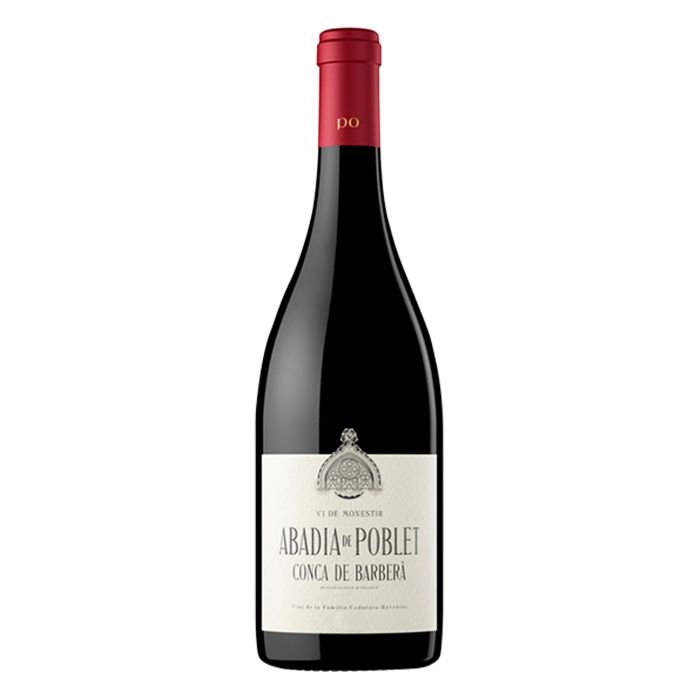
With personality, freshness, and great fruity character, Abadía de Poblet 2021 represents the essence of the red wines from Conca del Barberà. The native trepat grape, sourced from century-old vineyards, is skillfully blended with garnacha, garrut, and ull de lebre, which contribute sweetness and structure to the wine.
General features
Type of wine
Region
Grape variety
Type of bottle
Burgundy Bottle
Capacity (cl)
75
General Information
Abadía de Poblet 2021 embodies the purest essence of wines crafted in the D.O. Conca de Berberà. The trepat variety, born from century-old vines with excellent concentration, takes center stage in a blend through which the Abadía de Poblet winery sought to express the fruity character, freshness, and personality of this Catalan wine region. A coupage where the addition of garrut, garnacha, and ull de llebre contributed sweetness and structure to this barrel-aged red wine.
Unique for being located in a historical monument declared a World Heritage Site, the Abadia de Poblet winery champions the philosophy of Monastery wines, which recover local varieties and convey the character of the grapes and the terroir that nurtures them.
The respectful aging of Abadía de Poblet 2021 takes place in 4000-liter foudres and cement vats for 12 months. The result is a wine that faithfully expresses the identity of the region, with hints of white pepper, sweetness, and an enveloping character.
The winery
Within a historic monument, in Abadía de Poblet, the winemaking tradition of the monks of the Cistercian Order persists, a unique area that has preserved the cultivation of native varietals. The philosophy of the new monastery wines revives local varietals (trepat, garrut, and garnatxa primarily), enhancing the grapes used in their production and the terroir where they have been cultivated.