

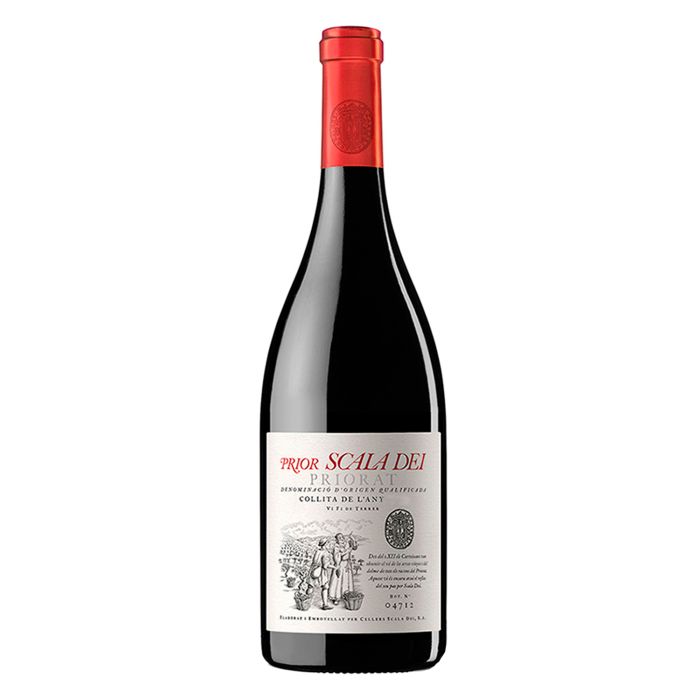
With exquisite care of the raw material and a measured production process, the exceptional Crianza Scala Dei Prior 2021 is crafted. A silky and full-bodied red that faithfully reflects the terroir of Priorat where it was born.
General features
Type of wine
Region
Type of barrel
French oak
Type of bottle
Burgundy Bottle
Capacity (cl)
75
General Information
Authenticity and tradition in equal measure breathe through Scala Dei Prior 2021, an ode to the D.O.Q Priorat. This Crianza red wine is made from Garnacha grapes sourced from small, carefully selected plots. This meticulous selection, along with a careful vinification process, has resulted in a structured red with a richness of aromas that transports you to the terroir of Priorat.
Once destemmed and crushed, the grapes ferment at a controlled temperature to preserve the aroma of ripe fruit. The French oak barrels elevate the qualities of a wine that undergoes aging for 12 months. Another year in the bottle completes its refinement before being released to the market.
In the words of Scala Dei's winemaker, Ricard Rofes, Scala Dei Prior 2021 is "a snapshot of the Denomination of Origin, an opportunity to travel with it to Priorat. Ideally, pair it with a dish from the south."
Tasting notes
You can appreciate the bluish hues on the rim over a bright and intense ruby color.
The subtle touches of spices and toasted notes find their match in red and black fruits and floral hints of violets on the nose.
Unctuous and silky on the palate, with elegant and mature tannins.
The winery
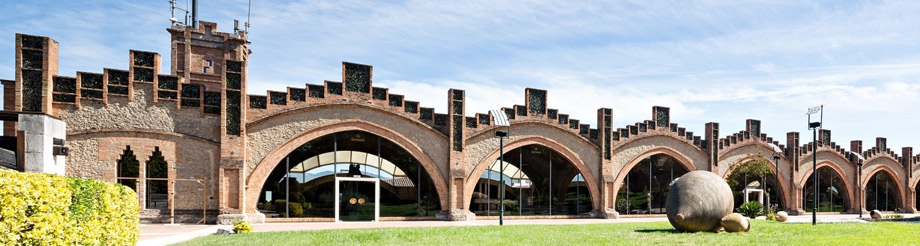
Located in Sant Sadurní d'Anoia, Codorníu is the oldest producer of cavas in Spain, with origins dating back five centuries. The company is the seed of one of the most important wine groups in Europe, with fifteen iconic wineries spread across Spain, Argentina, and California, as well as 3,000 hectares of owned vineyards. It is the second-largest cava producer in Spain, with an output of 45 million bottles. Until the Carlyle group acquired the majority of its shares in 2018, it was the oldest family-owned business in the country. Behind it stand 18 generations of a family of winemakers.
The modern history of Codorníu began in 1872, when Josep Raventós Fatjó, after a trip to the Champagne region, produced his first cava using three local grape varieties (macabeo, xarel.lo, and parellada) following the traditional or 'champenoise' method of double fermentation. Since then, Codorníu has been producing its cavas in a group of buildings declared a National Historic-Artistic Monument in 1976, designed in modernist style by architect Puig i Cadafalch. Codorníu exports nearly 45% of its production to almost a hundred countries worldwide.