


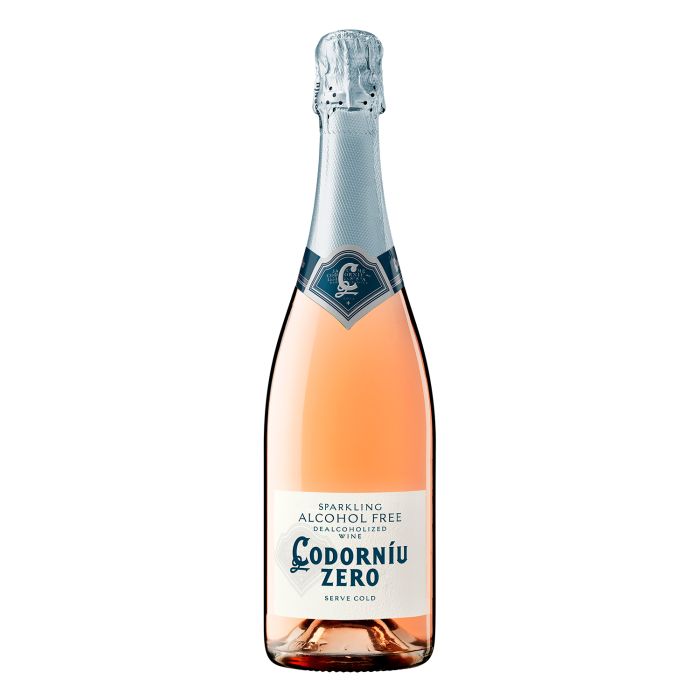
Codorníu Zero Rosé
The alternative pleasure of a 'sin' rosé sparkling wine

Do you have any questions?
Monday to Friday from 9am to 20pm
Codorníu Zero Rosé is a pleasant non-alcoholic sparkling wine that retains all the properties of the macabeo, parellada, and pinot noir that originate it. Very balanced on the palate, its floral and fruity aromas make it a suitable wine for any occasion.
Serving temperature
Consumption time
Type of wine
Grape variety
Capacity (cl)
75
Labeling
Alcohol-free
Codorníu Zero Rosé is a spectacular non-alcoholic sparkling rosé featuring the Catalan varieties parellada and macabeo, with the French pinot noir as the main protagonists. The base wine selected for its production underwent a meticulous and innovative vacuum and low-temperature distillation process, striving to preserve the wine's sensory qualities and minimize the loss of its characteristics due to alcohol extraction.
The Grupo Codorníu Raventós is at the forefront of innovation in wine production and a key brand in the Spanish wine sector. Founded in 1872 by Josep Raventós, eighteen generations have been part of the history of this family winery, which today is a leader in the production of quality cavas and wines.
The non-alcoholic sparkling wine Codorníu Zero Rosé is ideal for pairing with all kinds of appetizers, seafood, fish, sushi, salads with fruits, vegetables, and crudités.
Pale pink color with fine bubbles.
On the nose, aromas flourish with hints of hibiscus, cherry, pomegranate.
On the palate, it is balanced, fresh, and lively thanks to its good acidity.
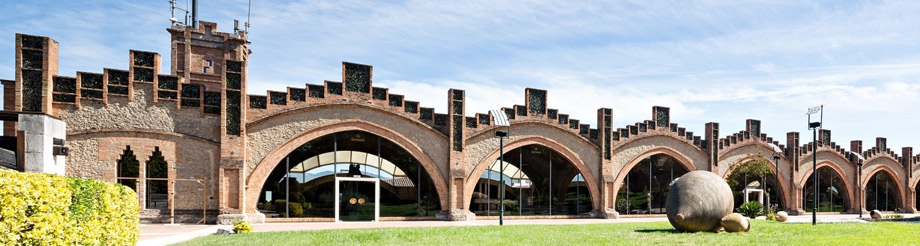
Located in Sant Sadurní d'Anoia, Codorníu is the oldest producer of cavas in Spain, with origins dating back five centuries. The company is the seed of one of the most important wine groups in Europe, with fifteen iconic wineries spread across Spain, Argentina, and California, as well as 3,000 hectares of owned vineyards. It is the second-largest cava producer in Spain, with an output of 45 million bottles. Until the Carlyle group acquired the majority of its shares in 2018, it was the oldest family-owned business in the country. Behind it stand 18 generations of a family of winemakers.
The modern history of Codorníu began in 1872, when Josep Raventós Fatjó, after a trip to the Champagne region, produced his first cava using three local grape varieties (macabeo, xarel.lo, and parellada) following the traditional or 'champenoise' method of double fermentation. Since then, Codorníu has been producing its cavas in a group of buildings declared a National Historic-Artistic Monument in 1976, designed in modernist style by architect Puig i Cadafalch. Codorníu exports nearly 45% of its production to almost a hundred countries worldwide.